Day 173 (of 2025/26) Ceremony and Traditions Season…
It’s a busy time of year when we start adding “graduation” events to the calendar. And not just Grade 12 graduations. There are kindergarten celebrations, elementary leaving ceremonies, middle school transitions, scholarship nights, dry grads, after-grads, and, of course, prom.
Some of these traditions are surprisingly recent. Others have existed long enough that people assume they have always been there.
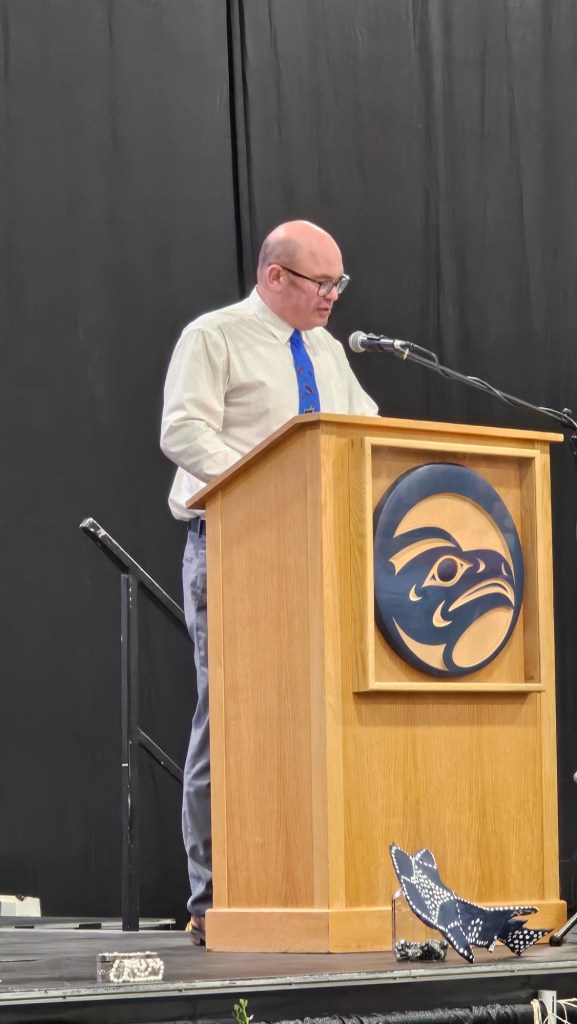
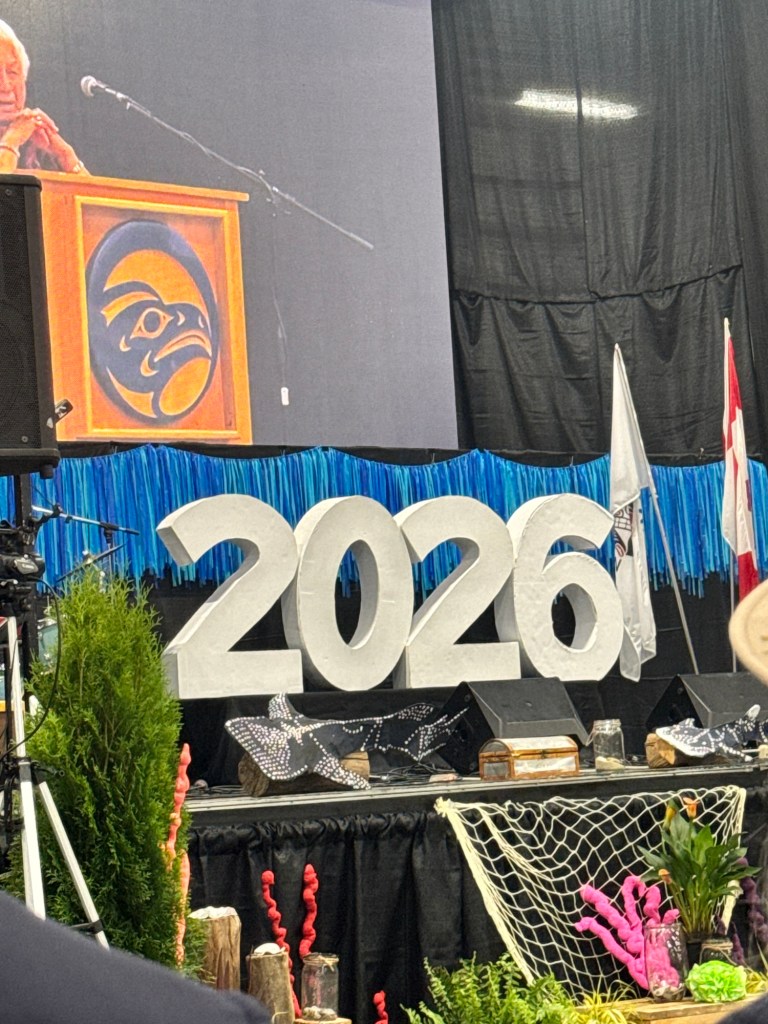
This year was also the first time a Partners In Education principal had speaking time at the qathet graduation ceremony. A new tradition beginning.
I always look forward to reading what others have to say during graduation season, including the annual reflections from Chris Kennedy’s Culture of Yes blog. His reminder this year to stay present, curious, and connected felt particularly fitting in a season built around milestones and transitions. https://cultureofyes.ca/2026/06/08/my-words-to-the-class-of-2026/
At the same time, I find myself interested in the conversations happening around some of the traditions themselves. Recent stories from Ontario highlighted student reactions when schools reconsidered or cancelled prom events, with students organizing alternatives and advocating for traditions they valued. https://www.thestar.com/news/gta/an-ontario-principal-cancelled-this-high-schools-prom-a-walkout-and-petition-failed-to-bring-it-back–but-the-students-werent-done/article_0de70a69-f135-4cb5-9d79-96360b2a4dfa.html
What struck me was not whether prom should exist or not exist. What struck me was the student ownership.
Traditions are curious things. At times of uncertainty, we often reach for them because they connect us to a story larger than ourselves. They offer continuity. Familiarity. A sense that others walked this path before us.
But traditions are not museum exhibits. They are living things.
Every tradition began as someone’s new idea.
And sometimes the most important question is not whether a tradition should continue, but who gets to shape it.
Because many traditions were built around assumptions that no longer fit the communities we serve. Some students never saw themselves reflected in them. Others could not afford them. Some participated reluctantly because “that’s just what you do.”
Yet abandoning traditions altogether feels incomplete as well. Ceremonies matter. Rituals matter. Shared experiences matter. They help us mark transitions that deserve recognition.
Perhaps the healthiest traditions are the ones that can withstand being questioned.
The ones that evolve.
The ones that invite new voices to help shape what comes next.
A graduation ceremony is ultimately not about gowns, speeches, flowers, limousines, or dances. It is about a community pausing long enough to say: this mattered.
How we choose to do that may change over time. I kinda liked the 1;1 events of/for Covid…
That is not a failure of tradition.
That is tradition doing exactly what it is supposed to do. Enable reflection keeping one eye on the past, while another ponders the views of the future…


Leave a Reply